
CSA 2019 - Week #2

“Humans lived nearly 200,000 years without money.
No human has ever lived without soil.”
- David Korten (Life depends on soil, not money.)
FARMING 101: SOIL FIRST! As a member of our CSA program, you can feel good knowing that you are eating food grown in a way that protects and nourishes the soil, regenerates soil biodiversity AND sequesters CO2 in the soil! #farmersfightclimatechange Forget all the "talk" about sustainable farming -- this is all those best ideas put into practice! Our farming practices go beyond organic and is collectively know as "regenerative agriculture". We plant cover crops, we rotate crops to give our fields a rest, we make and use our own compost and we implement conservation tillage (never disturbing below the very top layer of soil).
Thank you for helping us farm for the future!
CSA HOUSEKEEPING
So, how did things go last week? Did you find your pick-up location ok? Do you have any questions about storing your produce? Did you find some good recipes? Most importantly, how did everything taste? We love to hear from you, so please get in touch if there is anything we can do to help. We want you to be delighted with your weekly share! So if you're not (for any reason), please tell us and we'll make things right!
Have a great week, friends!
XO Maggie, Farmer Matt, Kelly & the Crew
What's in the share?
Baby Arugula
Super tender, baby arugula! The leaves are so tender that they will bruise easily. Wash gently and dress with a light vinaigrette just before you're ready to eat. The leaves will get soggy if they sit in the dressing for long. Enjoy!
Storage: In an airtight container/bag in the refrigerator. Uses: Raw in salad. When to use: Within 3 days.
Garlic Scapes
We wait all year to harvest the flower scape of the garlic plant. See photo above -- the garlic plant sends up greens and then a flower starts to form at the end of the scape. Don't eat the very tip where the flower head is. Cut that off. The rest of the curly scape is decidedly edible and delicious! I like to toss in oil and grill until tender. You can also roast them whole in the oven. They take on a texture similar to asparagus and a mild garlic flavor. (The garlic bulb itself will be harvest separately in July.)
Storage: In an airtight container/bag in the refrigerator. Uses: Raw or cooked. When to use: Within 5 days.
Boston (Butter) Lettuce
This early-season lettuce is back again this week. We'll have one more week after this one, and then they're done for the season...
Storage: In an airtight container/bag in the refrigerator. Uses: Raw in a salad. When to use: Within a week.
Toscano Kale
This is an Italian varity of kale that goes by many names - Toscano, Dinosaur, Lacinato... The leaves are very sturdy, so they hold up well in soup and they make great kale chips!
Storage: In an airtight container/bag in the refrigerator. Uses: Raw, Baked (Chips) Cooked (Best in Soups), Steamed, Smoothies or Juiced. When to use: Within a week
French Breakfast Radishes
This planting of radishes germinated so well that we have more left in the field! Instead of leaving them there, we cleared out the field and everyone is getting a small bunch again this week. Next week the red radishes are coming in. I hope you're enjoying them!
Storage: In an airtight container/bag in the refrigerator. Separate the roots from the greens first- then they can be stored in the same bag. Uses: Raw or cooked. When to use: Within 5 days.
Japanese Salad Turnips
If these are new to you, you're in for a treat! Theses turnips are excellent raw and there's no need to peel them. Just wash them and take a bite! Juicy, sweet, a little spicy, yummy...right? These are CSA cult favorite and you'll soon find out why. They are very versatile. Excellent raw dipped in hummus or sprinkled with salt. Great roasted or in soup. The greens are edible, so don't toss them! I like to saute them in a little olive oil with garlic.
Storage: In an airtight container/bag in the refrigerator. Separate the roots from the greens first- then they can be stored in the same bag. Uses: Raw or cooked. When to use: Within 5 days.
Farmhouse Favorite Recipes
Roasted Garlic Scapes
Garlic Scape Pesto
Kale Chips
Tuscan White Bean & Kale Soup
CSA 2019 - Week #1

Hello from the farm and welcome to our 2019 CSA season! Nature offers up just what our bodies need to eat this time of year....greens! If you are new to our CSA, you are in for quite a treat, as many of the items in this week's box are not commercially grown, so there's a good chance you've never tasted anything like it before! Mustard salad mix? Maybe some radishes dipped in sea salt and butter like the French do? This week is full of so many adventures for your taste buds, let's jump right in!
New to this? After reading through this intro part of the newsletter, scroll down to the "This week in the shares" section and CLICK each item in the list to visit a page on our website with crop photos and information, storage tips and recipes. Then scroll to the bottom of the newsletter for my suggested recipes. I promise, they're good!
Eat like a farmer! Over the next few weeks we will all begin to get into the groove of CSA - the changing seasons, the harvests, the rhythm of the week, the surprises in your shares and the delicious new flavors you'll enjoy! If this is your first year being part of a CSA farm share, there may be a bit of a learning curve as you learn to cook with a whole box of vegetables that were chosen for you, not chosen by you! Many of our long-time members have come to embrace (and love!) the fact that the farmers and the seasons dictate the weekly shares. You don't have to choose, for a change, you can just sit back and be delighted by the bountiful weekly harvests coming your way...
Here are a few simple tips that will help you get the most out of your shares...
#1 - Produce needs to be stored properly! I will always tell you how to best store your shares in our weekly crop list. (See below.) Greens need to be in a sealed container or bag so they don't dehydrate. I like to use these Produce Storage Bags, but plain old zip-locks work just as well. I re-use these plastic bags over and over, but if you are intent on avoiding all plastic, we have also had good results using glass bowls with a fully-sealed lid. Our produce is harvested the day before your delivery, so it should last if it is properly stored.
#2 - Get yourself a salad spinner! If you don't already have one, this will be the most useful tool in your kitchen. Remove the inner colander and use the bowl of the spinner to wash your greens. Remove any visible soil and put all of your greens in the bowl and fill it to the top with water. Agitate. Then transfer the greens to the colander insert, dump out the water and spin dry. If you see a lot of dirt in the water, you may want to repeat the water soaking/agitation process again before spinning. I'm sure you'll find lots of other uses for your salad spinner!
#3 - Cook with an open mind! Find your favorite tricks & short-cuts! There may be items in the share that you think you don't like. I urge you to try some of the recipes in our newsletter and if you still don't like it, e-mail me! I bet I can come up with some recipes that you and your family will enjoy. :) When in doubt, do what we do.... roast it, grill it, throw it in soup, or add it to your juice or smoothie! We'll be here every week to inspire you with new recipes and ways to enjoy the flavors of the season!
Enjoy your box! XO Maggie, Farmer Matt, Kelly & the Crew
What's in the share?
A quick note on the "light" box "heavy" in greens! This is what eating with the seasons looks like! Salad greens and quick growing roots are what's in season now! In just a few weeks, the boxes will be brimming with heavier items and hot weather crops like cucumbers, zucchini, onions and summer delights. Tomatoes come in August, as does sweet corn! There is always something to savor today and something to look forward to tomorrow! Now you're eating like a farmer!
Mustard Greens Salad Mix
Mustard greens are one of the world's healthiest foods. We started growing them a few years ago, but now we've perfected their harvest size and variety blend. Farmer Matt hand-selected eleven different varieties for this custom mix, balancing flavors, leaf textures and colors. I think he nailed it! You can't buy this in stores. It's a CSA exclusive! Wash and spin dry and dress lightly in olive oil, a splash of vinegar and salt & pepper. It doesn't need much. Let the flavors shine...
Storage: In an airtight container/bag in the refrigerator. Uses: Raw in salad. When to use: Within 5 days.
Green Boston (Butter) Lettuce
This tender leaf lettuce is also known as Butter or Bib lettuce and it grows well in the early part of the season in the cooler temperatures. The most important thing to know about Boston lettuce is that the leaves are so soft and tender that you must use a light dressing. No heavy dressings here! Try my vinaigrette recipe below, or just drizzle with good quality olive oil, vinegar and salt & pepper. I love to make a special salad with orange sections, red onion and toasted almonds (in my vinaigrette) with this lettuce.
Storage: In an airtight container/bag in the refrigerator. Uses: Raw in a salad. When to use: Within a week.
Red Boston (Butter) Lettuce
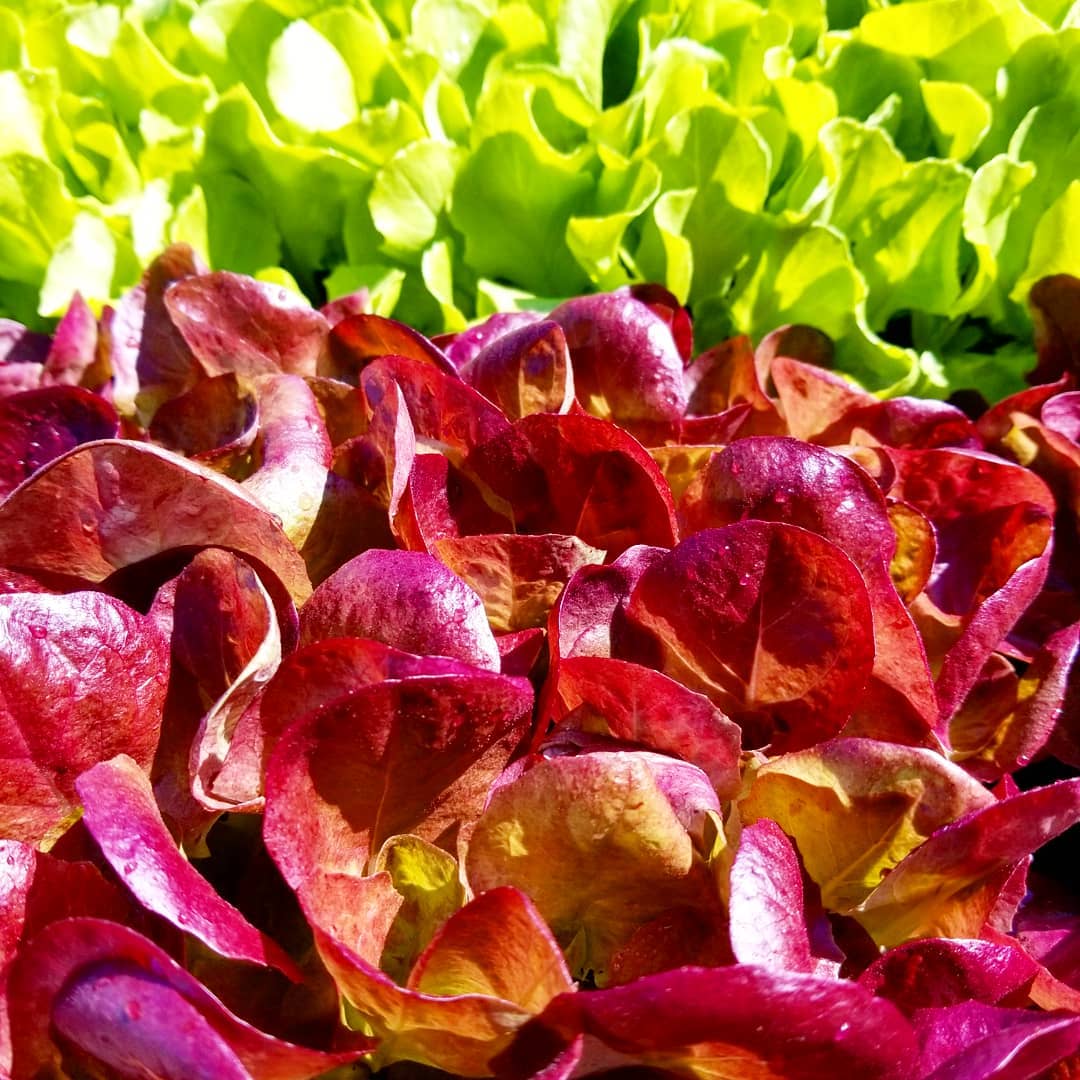
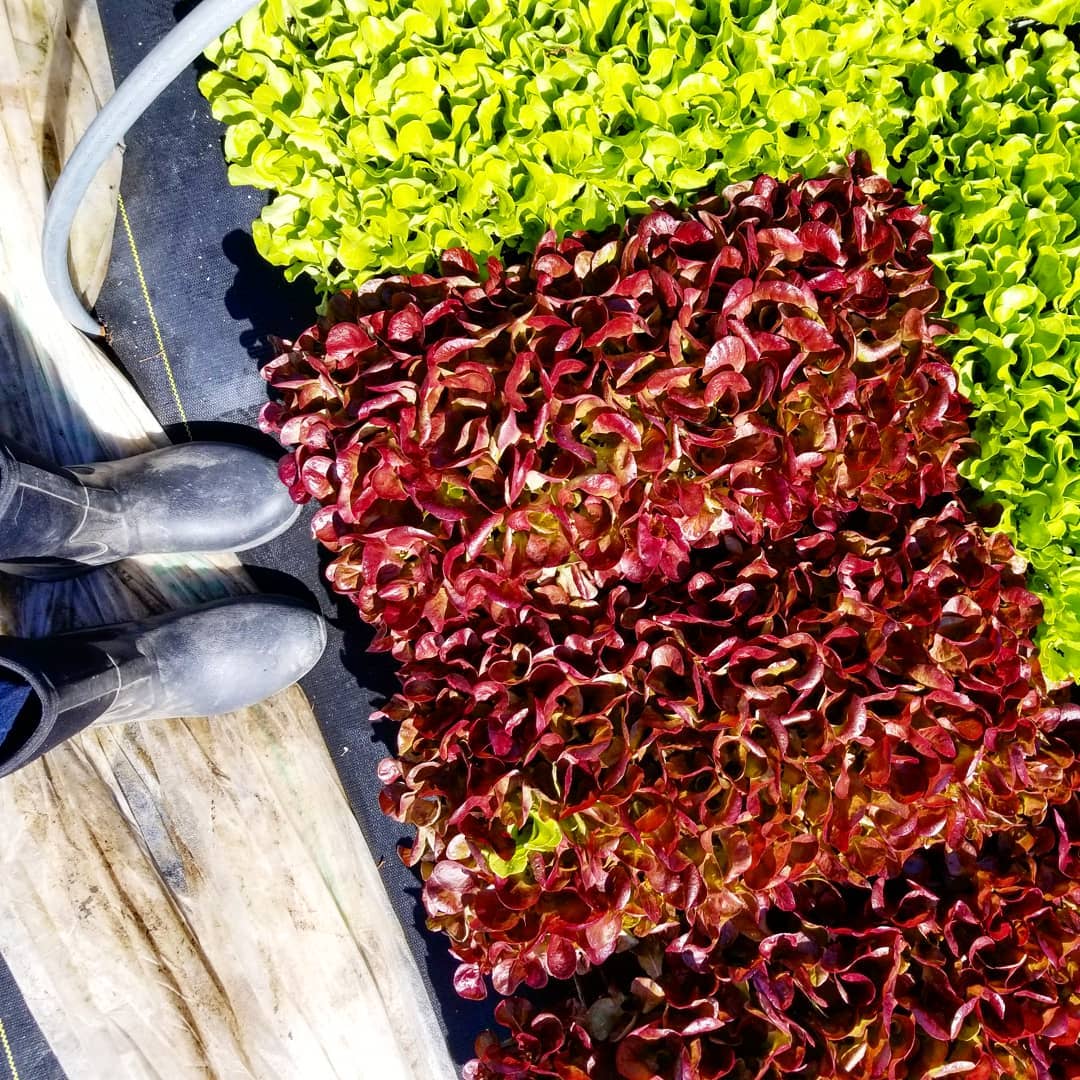
A red leafed variety. It's salad season!
Storage: In an airtight container/bag in the refrigerator. Uses: Raw in a salad. When to use: Within a week.
Bunched Red Kale
Don't say you don't like kale! We grow only the best varieties that you can't find in stores, and this red stemmed variety happens to be the best of the best! Kale Tip #1 is REMOVE THE STEM! No one likes the stem, so cut it out. You can use it in soups, but it's really too tough to use if you're going to eat a raw salad or steam the greens. (I give my stems to the sheep, but if you don't have any sheep, I understand.) Watch me remove the stems in this quick video. Kale Tip #2 is Kale is Versatile! This variety is perfect for raw kale salads, which last time I checked, is still all the rage. It's crazy healthy and crazy delicious, so I'm putting my favorite kale salad recipe below. Kale is also delicious steamed. Just make sure you steam it until just tender. If it's not cooked enough it will be hard to chew and if it's overcooked it looses its nutrients and best flavor. So keep an eye on it! After steaming, I usually transfer it to bowl and dress with olive oil, freshly chopped garlic and umeboshi vinegar. (What? Never heard of it? You're welcome.) Kale is also delicious thrown into smoothies with fruit or juiced. I'll talk more about juicing and smoothies in an upcoming newsletter. Kale chips, anyone? Kale in minestrone soup? I could go on....
Storage: In an airtight container/bag in the refrigerator. Uses: Raw, Baked (Chips) Cooked (Best in Soups), Steamed, Smoothies or Juiced. When to use: Within a week
French Breakfast Radishes
These are just beautiful, aren't they? We can all pretend to be French and eat them with butter and salt. Sounds strange, but it's a thing and it's pretty tasty too. You can even cook the green tops, so don't toss them out!
Storage: In an airtight container/bag in the refrigerator. Separate the roots from the greens first- then they can be stored in the same bag. Uses: Raw or cooked. When to use: Within 5 days.
Bok Choi
A wonderful Asian leaf vegetable that is perfect braised, sauteed or gently steamed. The whole thing is edible - leaf and stem. In fact, the stem has a great texture when cooked.
Storage: In an airtight container/bag in the refrigerator. Uses: Raw or cooked. When to use: Within 5 days.
Farmhouse Favorite Recipes
Maggie's Favorite Raw Kale Salad
I eat this on a (very) regular basis.
Lemony Soup with Kale, White Beans & Pasta
from The Flourishing Foodie
Mustard Greens Salad with Pears and Parmesan
Perfect Green Salad & Vinaigrette
This will become your go-to dressing!
April on the Farm
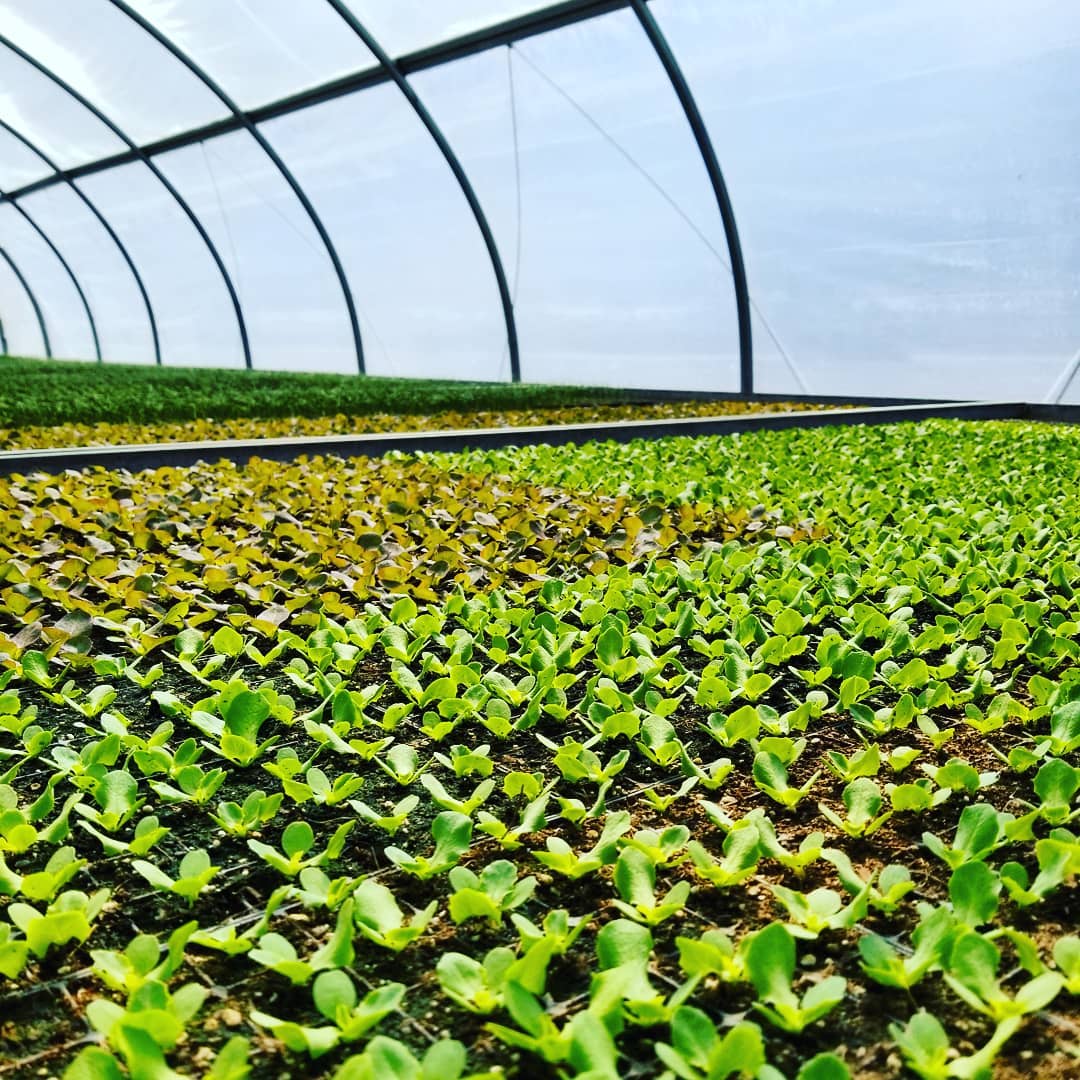
Spring is finally here! We started the season back at the end of February by seeding our first transplants in the greenhouse. Starting from the beginning, we always source the highest quality ingredients to grow our food. All of our seeds are 100% Certified Organic and non-GMO. Our favorite seed suppliers are High Mowing Seeds and Johnny's Selected Seeds. They sell seeds to farms like us and to small home gardeners too! This year we purchased our greenhouse soil from Vermont Compost and we are so happy with the quality. When planning out our seeding schedule, we work backwards from the projected date of harvest. The Boston lettuce we seeded the last week of February will be the lettuce we harvest for the first CSA shares of the season in June! (Look in the photo above...one of these babies will grow into a head of lettuce and it will appear in your CSA box in June. I wonder which one is destined for your dinner table?) We also work with the Biodynamic planting calendar which helps us to understand the subtle ways that the environment and wider cosmos influence the growth and development of plants. Scroll down to see lots of photos....
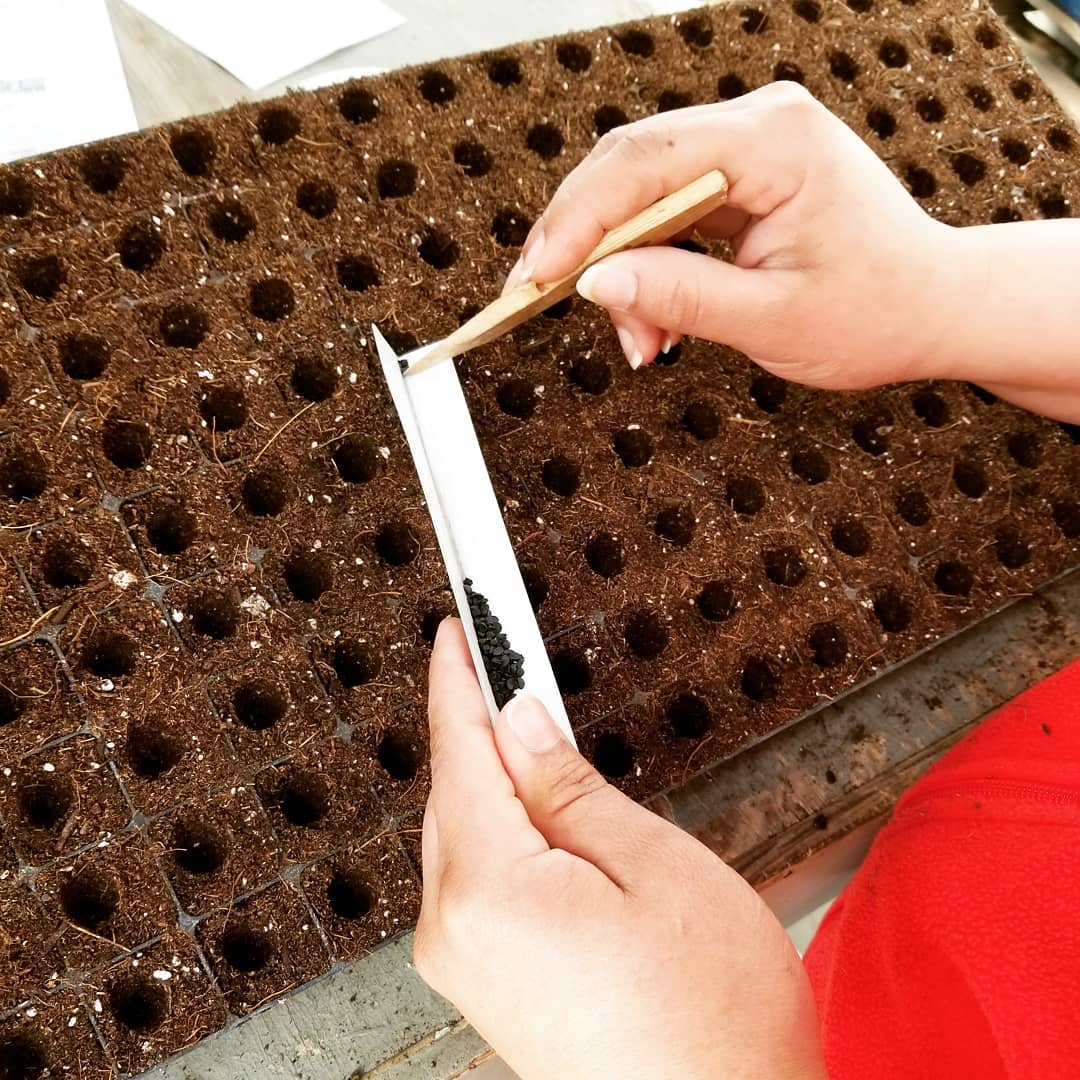
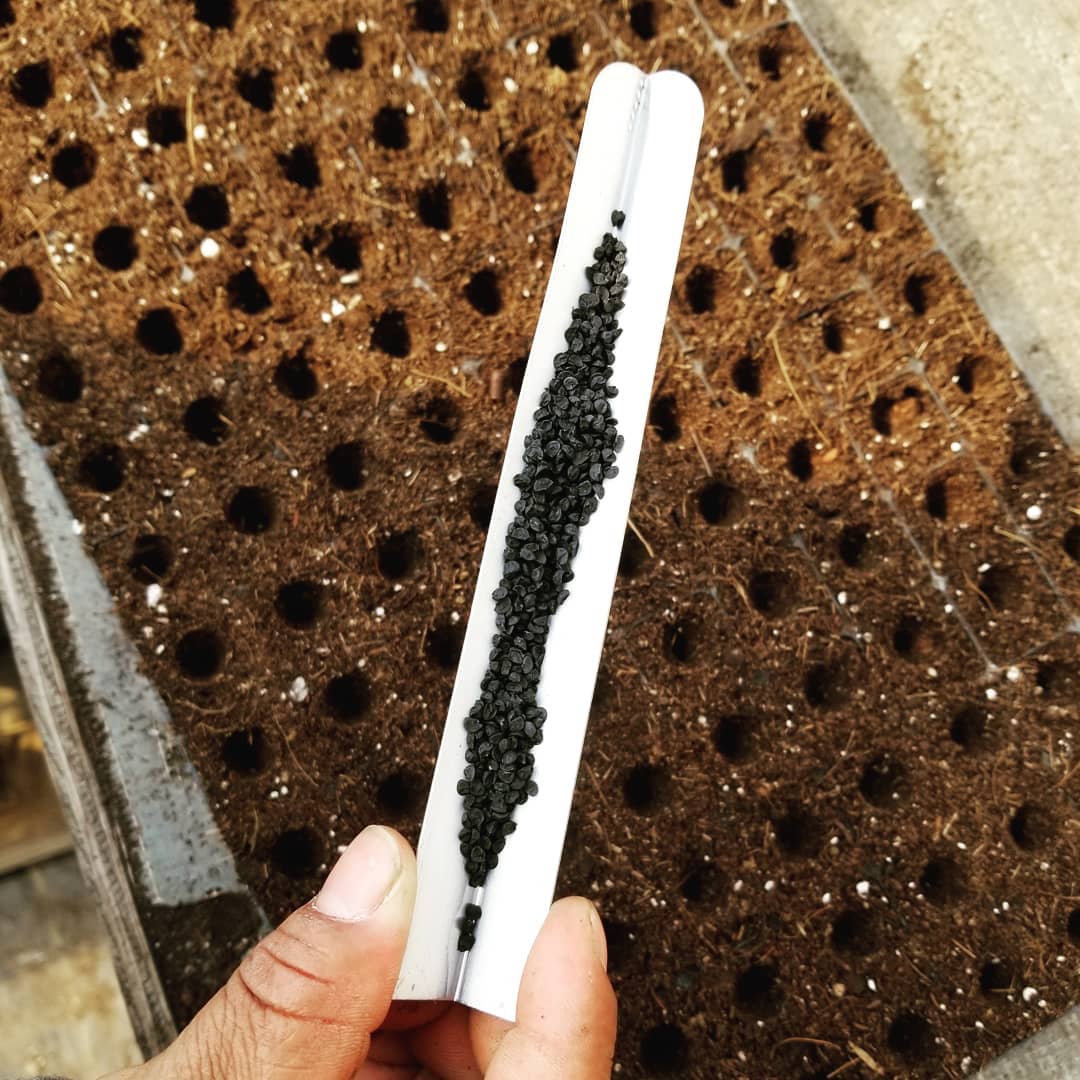
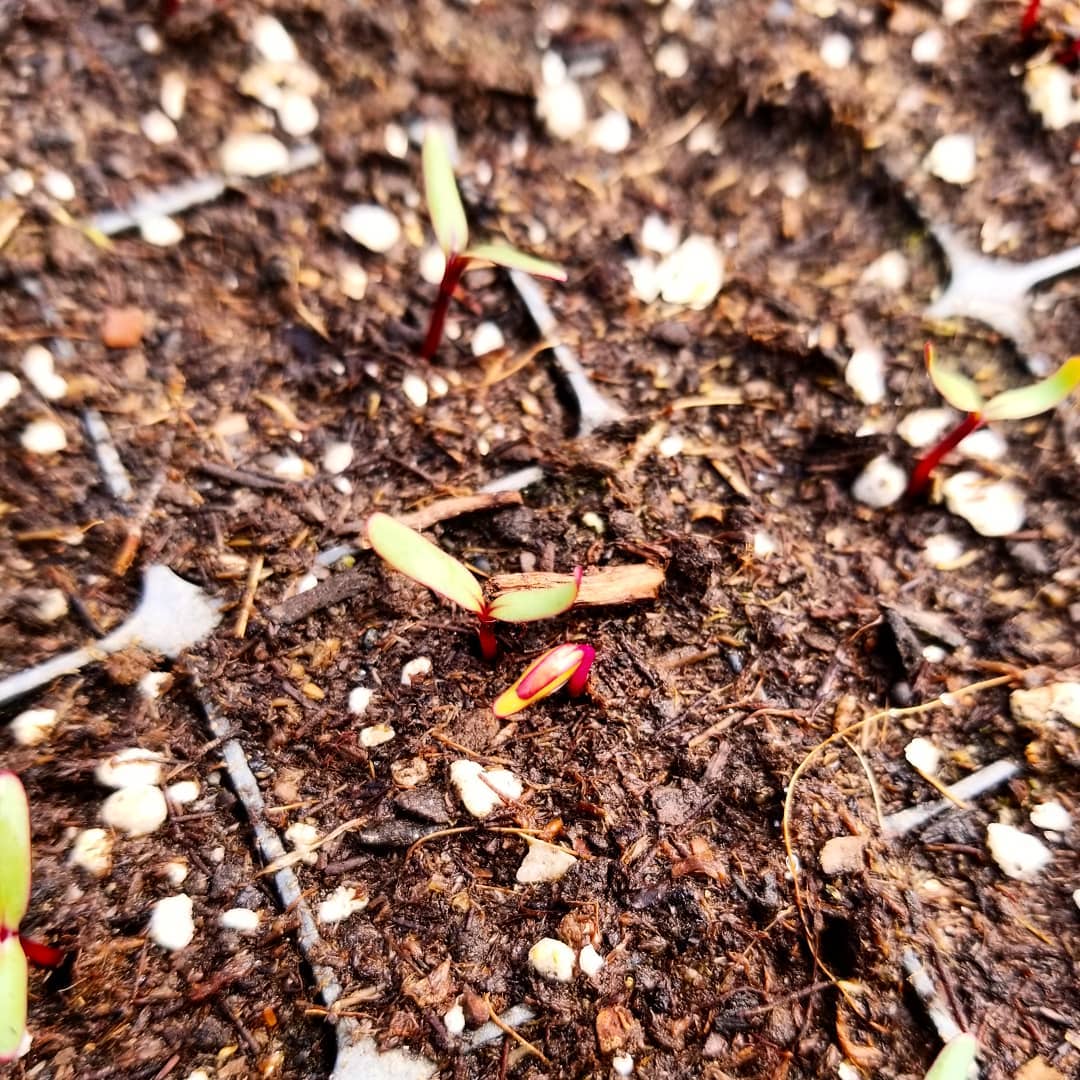
Here we are seeding flats of transplants. We fill our flats (trays) with soil, dibble out little holes in each cell and plant one (or two) seeds in the cell. We then carefully cover the holes with a thin layer of soil, water the flat gently and let it sit inside our hot greenhouse to germinate. The bottom right photo shows newly germinated beet plants. Welcome to the world, baby beets!
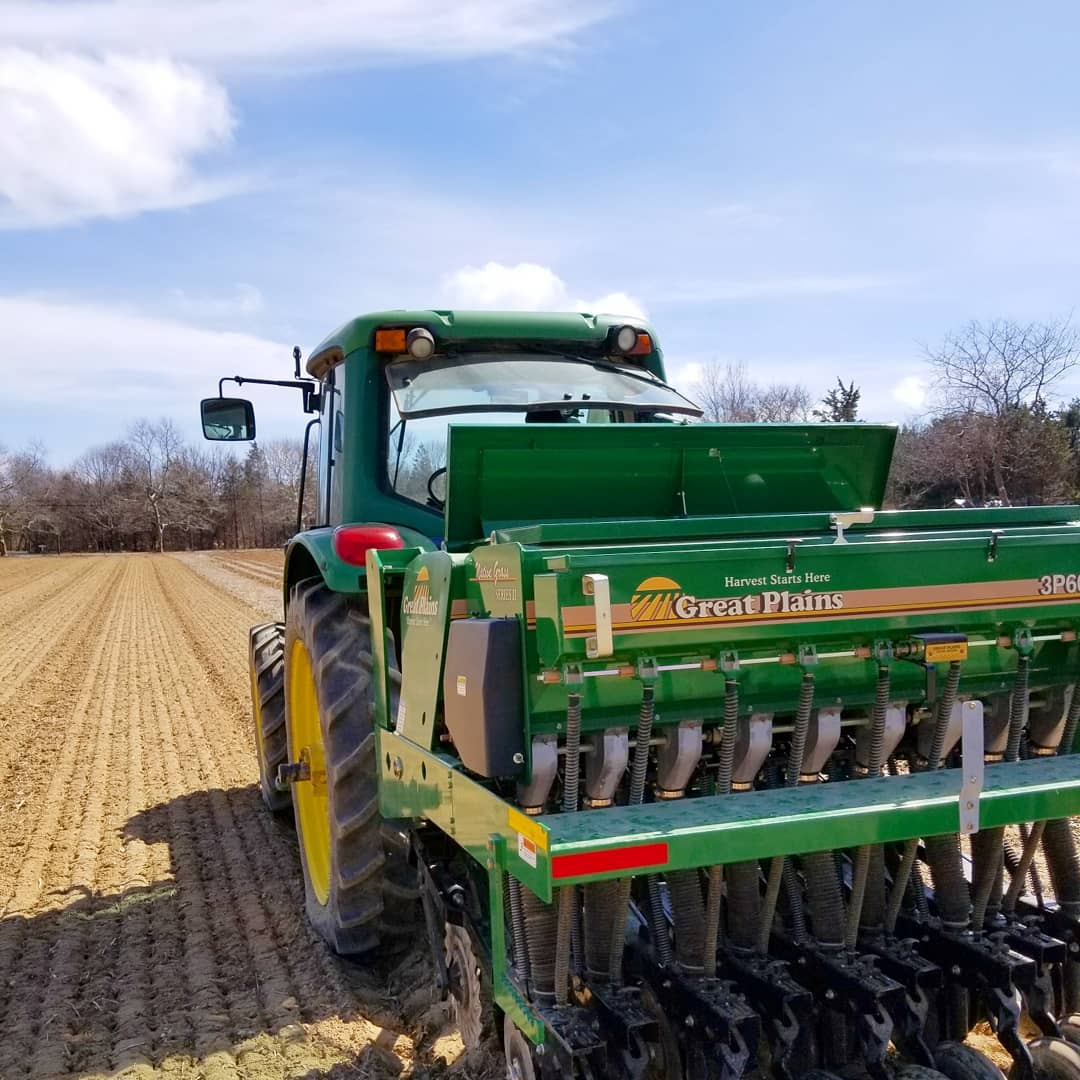
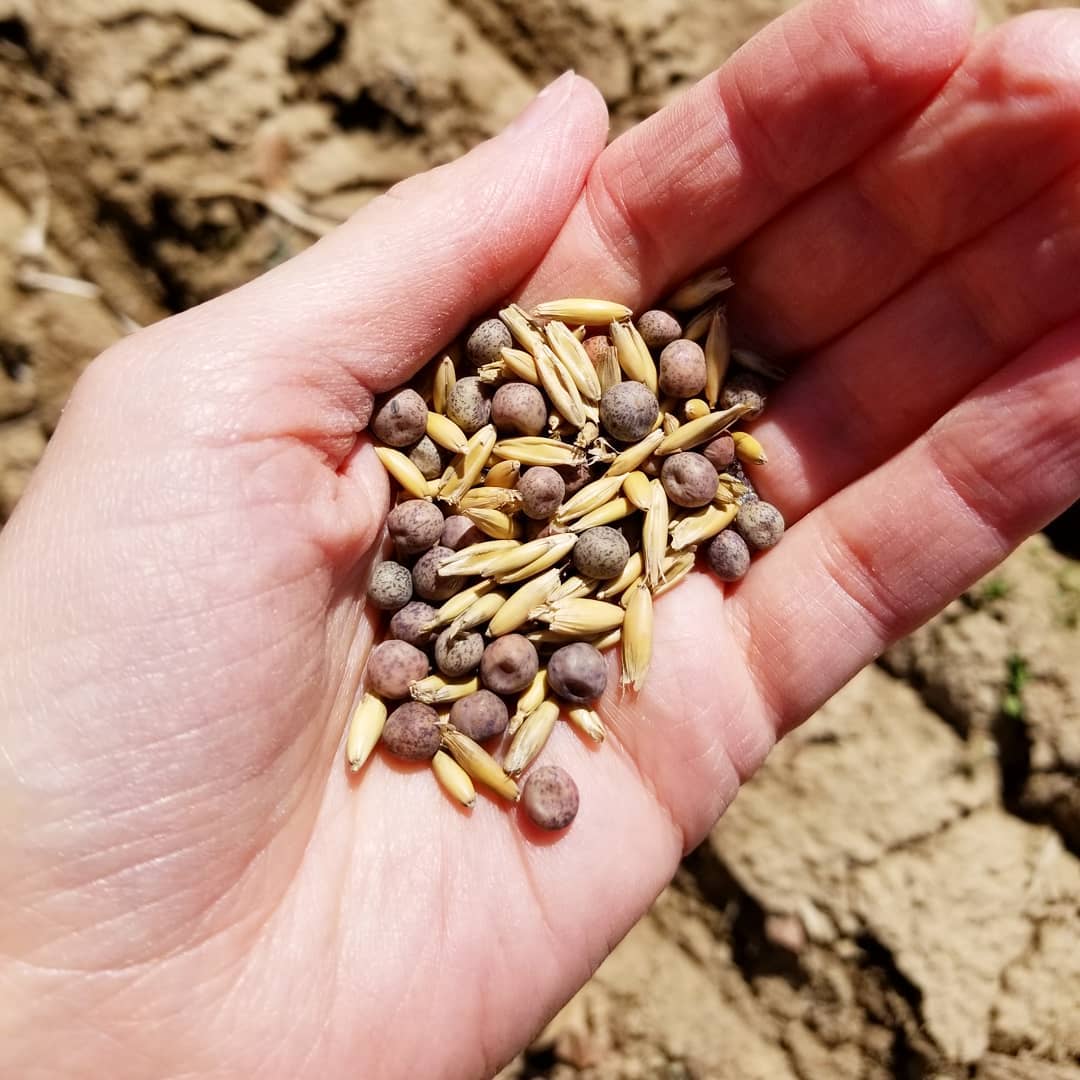
Meanwhile, out in the fields we plant spring cover crops. This is a mix of field peas and oats. The peas are legumes and they fix nitrogen in the soil. Essentially, we are growing our own fertilizer! The cover crops also provide biomass for the soil. The plants will grow quickly this spring and then we will mow them down and incorporate them into the soil in June. Then we can plant a summer or fall crop into this field for harvest later in the season. We like to think of cover crops as "complimentary" crops. When we don't have an edible crop planted in a field, we like to have it planted in cover crops so that the soil is always being protected, replenished and nourished. These cover crops are also wonderful habitats and sources of food for pollinators. When the peas bloom, you can hear the loud humming of bees coming from this field. It is beautiful...
Remember those seeds we were seeding into the flats at the top of this e-mail? This is what they look like now! Lush, healthy seedlings almost ready to head out into their new home in the fields. We now have three full greenhouses and the first round of plants are being moved out into the fresh air every day and back inside at night. This process is called "hardening off" and it get the plants accustomed to the outside weather before they are transplanted. If this process is skipped, they can die from transplant shock if moved directly from greenhouse to field.

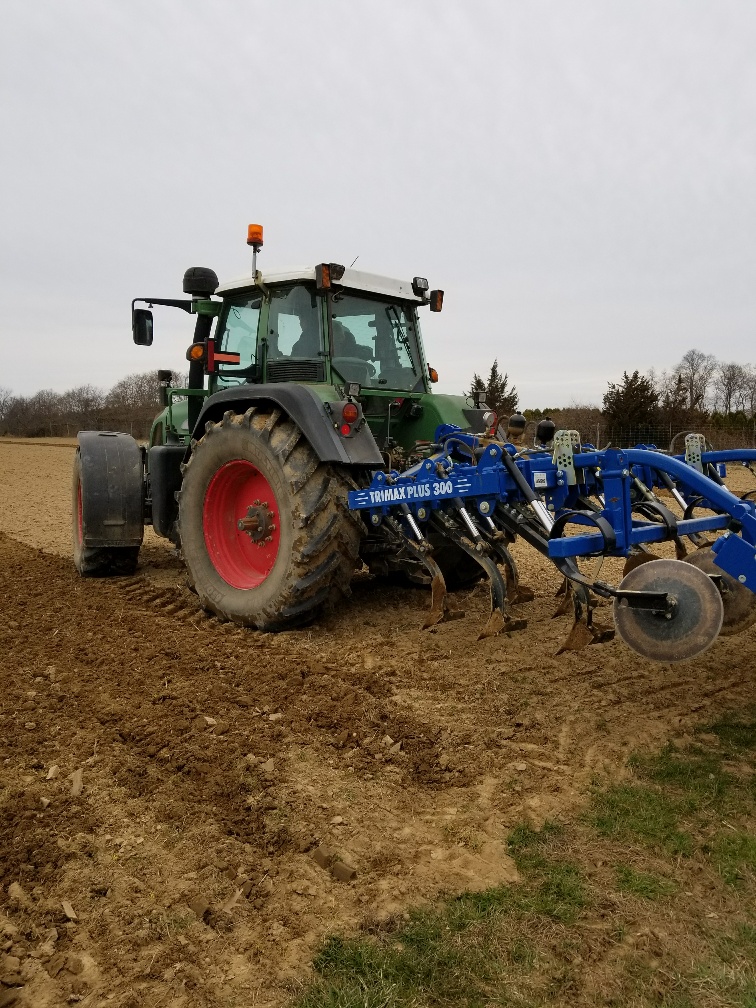
Here's Farmer Matt and Farmer Galen using the Trimax to prep a field for planting. The Trimax is a special piece of tillage equipment that only disturbs the top 3 inches of soil. Most traditional plows dig deep into the soil and flip it upside down where the soil microbes and earthworms are exposed to the sun and die. Many farms, including organic farms, continue to farm in this invasive manner, essentially destroying the integrity of the soil with each pass of the plow. The soil should be left intact and disturbed as little as possible. That is what we call advanced tillage! WATCH A VIDEO OF THIS IN ACTION!
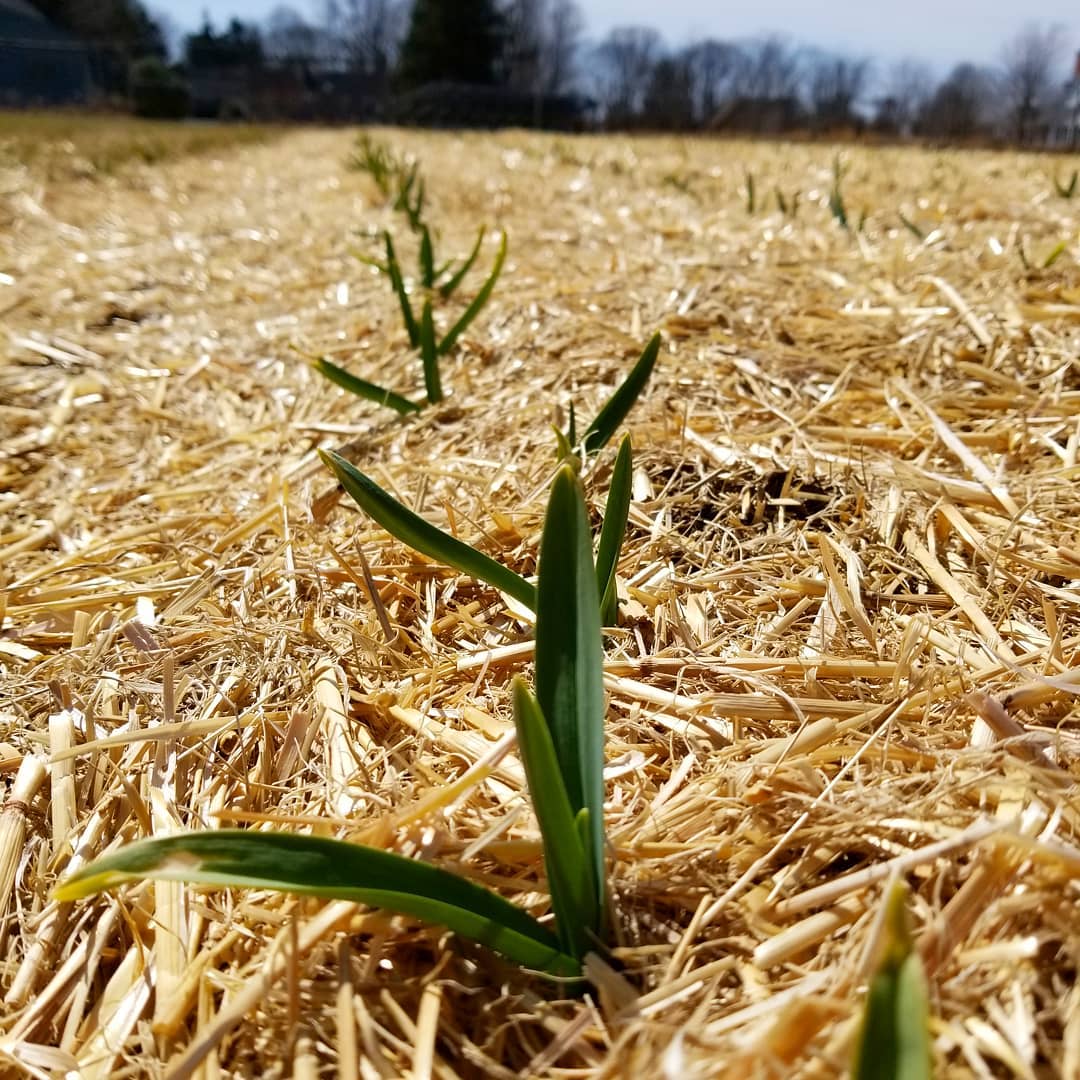
The first crop up is the garlic, peaking out from under the straw mulch! Garlic has a funny planting schedule. We plant it in the ground in November, it sits dormant in the cold soil all winter and then POP! it emerges first thing in the spring. We will harvest this garlic for you in July!

Winter CSA 18/19 - Week #4

In like a lion... With this week's final delivery, we bid farewell to the winter share, and hopefully to winter all together! Enjoy this last week of root veggies and all their deep earth energy that has been stored up to keep us well fed. New life is emerging in our greenhouses...the first germinations of our first seedings of the 2019 season. Lettuce, kale, onions... all for the first harvests in June! We hope you'll renew for the 2019 season if you haven't done so already. Please head on over to our website for an application form. www.goldenearthworm.com
Here's to greener days ahead!
Maggie, Farmer Matt & Crew
FIND MORE RECIPES FOR ALL THE VEG IN YOUR BOX! If you need recipes that are not included in the newsletter, we have a massive recipe index on our website where you can search by vegetable here: http://goldenearthworm.com/cropswegrow/
AN IMPORTANT NOTE ON PRODUCE STORAGE -- Your root veggies will hold up for a full month AS LONG AS YOU STORE THEM PROPERLY. Sweet potatoes don't like to be cold, so a cool spot is best. The other root vegetables should be stored separately from the cabbage, but they can be stored together, also in airtight bags in the fridge. What do I mean by airtight? Ziplocks are good, as are regular plastic bags that are closed/sealed well at the top. The idea is to lock in the moisture so that the veggies stay fresh and don't turn soft and limp. Some members prefer glass containers to plastic bags - which is fine too, but just make sure that the lid seals properly. The potatoes should be stored in a cool (not cold), DARK place. Our good friend, chef and blogger, Alexa Weitzman, has written a great article about Winter CSA full of tips and tricks to eat well all winter long! http://sustainablepantry.com/2018/12/10/csa-winter-share-tips/
What's in the share?
Red Beets - I love beets every way - boiled (or roasted) and sliced as a side dish, grated raw in a salad with lemon juice and olive oil, juiced or sliced in salads.
Storage: In an airtight (plastic) bag in the refrigerator. Uses: Raw or Cooked. When to use: Within 3 weeks.
Golden Beets - Lovely beet flavor with a rich, golden color!
Storage: In an airtight (plastic) bag in the refrigerator. Uses: Raw or Cooked. When to use: Within 3 weeks.
Yellow Potatoes - These are a waxy variety - perfect for roasting. My trick to roasting potatoes is to roast with a top on the baking dish. Foil works well too. The point is to steam the potatoes. Once tender, remove the top and continue roasting for another 10-15 minutes until nicely browned.
Storage: In an cool (not cold) space. Uses: Cooked. When to use: Within 3 weeks.
Rutabaga - Also known as a Swede or a yellow turnip, rutabagas have a sweet, earthy flavor that is excellent roasted. These roast quickly when cut into slices or fries, tossed in olive oil and salt and roasted on a cookie sheet in a hot oven.
Storage: In an airtight (plastic) bag in the refrigerator. Uses: Raw or Cooked. When to use: Within 3 weeks.
Watermelon Radish - My favorite saying about these radishes....Boring on the outside, party on the inside! Try roasting them if you haven't already. They are excellent!
Storage: In an airtight (plastic) bag in the refrigerator. Uses: Raw or Cooked. When to use: Within 3 weeks.
Sweet Potatoes - A staple in our house. I bake them whenever my oven is on and then they're ready to go!
Storage: In a cool, but not cold spot. Uses: Cooked. When to use: Within 2 weeks.
BRIERMERE FARM APPLE SHARE - Granny Smith Apples
Recipes!
Cream of Rutabaga Soup
Curried Beet Soup with Chickpeas
Watermelon Radish, Orange & Goat Cheese Salad
Winter CSA 18/19 - Week #3

Our February winter share is here and it's full of more root veggie goodness! Our winter "break" is over and we're back outside this week working on tractors, cleaning up our fence lines and catching up on maintenance in this unusually mild weather. Soon, boxes of seeds will start arriving and we'll be getting our greenhouses geared up for seeding. The 2019 growing season is about to begin! Until then, enjoy your hearty roots and we'll see you next month!
XO Maggie, Farmer Matt & Crew
FIND MORE RECIPES FOR ALL THE VEG IN YOUR BOX! If you need recipes that are not included in the newsletter, we have a massive recipe index on our website where you can search by vegetable here: http://goldenearthworm.com/cropswegrow/
AN IMPORTANT NOTE ON PRODUCE STORAGE -- Your root veggies will hold up for a full month AS LONG AS YOU STORE THEM PROPERLY. Sweet potatoes don't like to be cold, so a cool spot is best. The other root vegetables should be stored separately from the cabbage, but they can be stored together, also in airtight bags in the fridge. What do I mean by airtight? Ziplocks are good, as are regular plastic bags that are closed/sealed well at the top. The idea is to lock in the moisture so that the veggies stay fresh and don't turn soft and limp. Some members prefer glass containers to plastic bags - which is fine too, but just make sure that the lid seals properly. The potatoes should be stored in a cool (not cold), DARK place. Our good friend, chef and blogger, Alexa Weitzman, has written a great article about Winter CSA full of tips and tricks to eat well all winter long! http://sustainablepantry.com/2018/12/10/csa-winter-share-tips/
What's in the share?
Carrots - A perfectly sweet, crunchy, orange variety. The kind that make you never want to eat any other type of carrot ever again.
Storage: In an airtight (plastic) bag in the refrigerator. Uses: Cooked or Raw. When to use: Within 2 weeks.
Red Beets - I love beets every way - boiled (or roasted) and sliced as a side dish, grated raw in a salad with lemon juice and olive oil, juiced or sliced in salads.
Storage: In an airtight (plastic) bag in the refrigerator. Uses: Raw or Cooked. When to use: Within 3 weeks.
Golden Beets - Lovely beet flavor with a rich, golden color!
Storage: In an airtight (plastic) bag in the refrigerator. Uses: Raw or Cooked. When to use: Within 3 weeks.
Yellow Potatoes - These are a waxy variety - perfect for roasting. My trick to roasting potatoes is to roast with a top on the baking dish. Foil works well too. The point is to steam the potatoes. Once tender, remove the top and continue roasting for another 10-15 minutes until nicely browned.
Storage: In an cool (not cold) space. Uses: Cooked. When to use: Within 3 weeks.
Rutabaga - Also known as a Swede or a yellow turnip, rutabagas have a sweet, earthy flavor that is excellent roasted. These roast quickly when cut into slices or fries, tossed in olive oil and salt and roasted on a cookie sheet in a hot oven.
Storage: In an airtight (plastic) bag in the refrigerator. Uses: Raw or Cooked. When to use: Within 3 weeks.
Watermelon Radish - My favorite saying about these radishes....Boring on the outside, party on the inside! Try roasting them if you haven't already. They are excellent!
Storage: In an airtight (plastic) bag in the refrigerator. Uses: Raw or Cooked. When to use: Within 3 weeks.
Sweet Potatoes - A staple in our house. I bake them whenever my oven is on and then they're ready to go!
Storage: In a cool, but not cold spot. Uses: Cooked. When to use: Within 2 weeks.
Leeks - A perfect base for soups or let them be the star of the show!
Storage: In an airtight (plastic) bag in the refrigerator. Uses: Cooked. When to use: Within 2 weeks.
BRIERMERE FARM APPLE SHARE - Granny Smith, Fuji & Pink Lady Apples
Recipes!
Heart-Shaped Roasted Beets & Potatoes
Rutabaga Pasta (what?)
Savory Potato Tart
Curried Sweet Potato & Apple Soup
Winter CSA 18/19 - Week #2

Happy New Year! We have a wonderful share for you this week....bursting with color to inspire your cooking and healthy eating! Bon appetit and we'll see you next month! -
XO Maggie, Farmer Matt & Crew
FIND MORE RECIPES FOR ALL THE VEG IN YOUR BOX! If you need recipes that are not included in the newsletter, we have a massive recipe index on our website where you can search by vegetable here: http://goldenearthworm.com/cropswegrow/
AN IMPORTANT NOTE ON PRODUCE STORAGE -- Your root veggies will hold up for a full month AS LONG AS YOU STORE THEM PROPERLY. Sweet potatoes don't like to be cold, so a cool spot is best. The other root vegetables should be stored separately from the cabbage, but they can be stored together, also in airtight bags in the fridge. What do I mean by airtight? Ziplocks are good, as are regular plastic bags that are closed/sealed well at the top. The idea is to lock in the moisture so that the veggies stay fresh and don't turn soft and limp. Some members prefer glass containers to plastic bags - which is fine too, but just make sure that the lid seals properly. The potatoes should be stored in a cool (not cold), DARK place. Our good friend, chef and blogger, Alexa Weitzman, has written a great article about Winter CSA full of tips and tricks to eat well all winter long! http://sustainablepantry.com/2018/12/10/csa-winter-share-tips/
What's in the share?
Carrots - A perfectly sweet, crunchy, orange variety. The kind that make you never want to eat any other type of carrot ever again.
Storage: In an airtight (plastic) bag in the refrigerator. Uses: Cooked or Raw. When to use: Within 2 weeks.
Red Beets - I love beets every way - boiled (or roasted) and sliced as a side dish, grated raw in a salad with lemon juice and olive oil, juiced or sliced in salads.
Storage: In an airtight (plastic) bag in the refrigerator. Uses: Raw or Cooked. When to use: Within 3 weeks.
Golden Beets - Lovely beet flavor with a rich, golden color!
Storage: In an airtight (plastic) bag in the refrigerator. Uses: Raw or Cooked. When to use: Within 3 weeks.
Yellow Potatoes - These are a waxy variety - perfect for roasting. My trick to roasting potatoes is to roast with a top on the baking dish. Foil works well too. The point is to steam the potatoes. Once tender, remove the top and continue roasting for another 10-15 minutes until nicely browned.
Storage: In an cool (not cold) space. Uses: Cooked. When to use: Within 3 weeks.
Rutabaga - Also known as a Swede or a yellow turnip, rutabagas have a sweet, earthy flavor that is excellent roasted. These roast quickly when cut into slices or fries, tossed in olive oil and salt and roasted on a cookie sheet in a hot oven.
Storage: In an airtight (plastic) bag in the refrigerator. Uses: Raw or Cooked. When to use: Within 3 weeks.
Watermelon Radish - My favorite saying about these radishes....Boring on the outside, party on the inside! Try roasting them if you haven't already. They are excellent!
Storage: In an airtight (plastic) bag in the refrigerator. Uses: Raw or Cooked. When to use: Within 3 weeks.
Sweet Potatoes - A staple in our house. I bake them whenever my oven is on and then they're ready to go!
Storage: In a cool, but not cold spot. Uses: Cooked. When to use: Within 2 weeks.
Leeks - A perfect base for soups or let them be the star of the show!
Storage: In an airtight (plastic) bag in the refrigerator. Uses: Cooked. When to use: Within 2 weeks.
BRIERMERE FARM APPLE SHARE - Fuji & Granny Smith Apples
Recipes!
Rutabaga Oven Fries
Mashed Rutabaga with Pan-Fried Leeks
Simple Roasted Beets with Citrus
Roasted Watermelon Radish with Herbed Tahini Sauce
Carrot Leek Soup
Winter CSA 18/19 - Week #1

Hello, Friends! Welcome to December and to the first delivery of our Winter CSA! The weather this past week has allowed us to continue to harvest from the fields, so this week's freshly harvested collards, leeks and romanesco broccoli join the root vegetables to make up a beautiful box! Since delivery happens just once a month during the winter, it's more important than ever to store your veggies properly so they will last as long as possible. Our good friend, chef and blogger, Alexa Weitzman, has written a great article about Winter CSA full of tips and tricks to eat well all winter long! http://sustainablepantry.com/2018/12/10/csa-winter-share-tips/
FIND MORE RECIPES FOR ALL THE VEG IN YOUR BOX! If you need recipes that are not included in the newsletter, we have a massive recipe index on our website where you can search by vegetable here: http://goldenearthworm.com/cropswegrow/
Happy Holidays and we'll see you for the next delivery in the New Year!
- XO Maggie, Farmer Matt & Crew
AN IMPORTANT NOTE ON PRODUCE STORAGE -- Your root veggies will hold up for a full month AS LONG AS YOU STORE THEM PROPERLY. Sweet potatoes don't like to be cold, so a cool spot is best. The other root vegetables should be stored separately from the cabbage, but they can be stored together, also in airtight bags in the fridge. What do I mean by airtight? Ziplocks are good, as are regular plastic bags that are closed/sealed well at the top. The idea is to lock in the moisture so that the veggies stay fresh and don't turn soft and limp. Some members prefer glass containers to plastic bags - which is fine too, but just make sure that the lid seals properly. The potatoes should be stored in a cool (not cold), DARK place. Enjoy!
What's in the share?
Carrots - A perfectly sweet, crunchy, orange variety. The kind that make you never want to eat any other type of carrot ever again.
Storage: In an airtight (plastic) bag in the refrigerator. Uses: Cooked or Raw. When to use: Within 2 weeks.
Romanesco Broccoli - This wild-looking veg is a member of the brassica family along with cauliflower and cabbage. Cook it as you would cauliflower - steaming or roasting is best. Quite a conversation starter at the dinner table!
Storage: In an airtight (plastic) bag in the refrigerator. Uses: Cooked/Raw. When to use: Within a week.
Collards - We harvested these baby collards from the fields this week. They are sweeter now that they've frozen, but the leaf texture is more dense, so I recommend using them in soup or in a recipe where they have plenty of moisture and can cook down for a long time until tender.
Storage: In an airtight (plastic) bag in the refrigerator. Uses: Cooked. When to use: Within 5 days.
Butternut Squash - I was told that you could roast this whole in the oven without slicing in half. Guess what? It worked like a charm. You're welcome! 350F in an oven (whole) on a baking dish.
Storage: In a cool (NOT cold), dry spot. Uses: Cooked. When to use: Within 2 weeks.
Sweet Potatoes - We've included a mix of orange and purple sweet potato varieties this week. I would cook them separately. The orange ones are what you'll be familiar with...the purple ones are waxy and sweet and are delicious in their own unique way! Enjoy!
Storage: In a cool, but not cold spot. Uses: Cooked. When to use: Within 2 weeks.
Watermelon Radish - My favorite saying about these radishes....Boring on the outside, party on the inside! I love these sliced raw with lemon, cilantro and garlic. Also great roasted or added to soups. Super versatile!
Storage: In an airtight (plastic) bag in the refrigerator. Uses: Raw or Cooked. When to use: Within 3 weeks.
Green or Savoy Cabbage - Winter slaws with citrus or mango or pomegranate on your dinner table...yum!
Storage: In an airtight (plastic) bag in the refrigerator. Uses: Cooked. When to use: Within 2 weeks.
Red Cabbage - Try a slaw or make your own pickled cabbage!
Storage: In an airtight (plastic) bag in the refrigerator. Uses: Cooked. When to use: Within 2 weeks.
Leeks - A perfect base for soups or let them be the star of the show like in the braised leek recipe below!
Storage: In an airtight (plastic) bag in the refrigerator. Uses: Cooked. When to use: Within 2 weeks.
BRIERMERE FARM APPLE SHARE - Jonagold Apples
Recipes!
Amazing Winter Cabbage Slaw
Braised Leeks with Lemon
Red Cabbage Kraut with Garlic and Jalapeno (optional)
Roasted Carrots with Parsley and Thyme
Honey Roasted Sweet Potatoes
CSA 2018 - Week #25 - FINAL WEEK
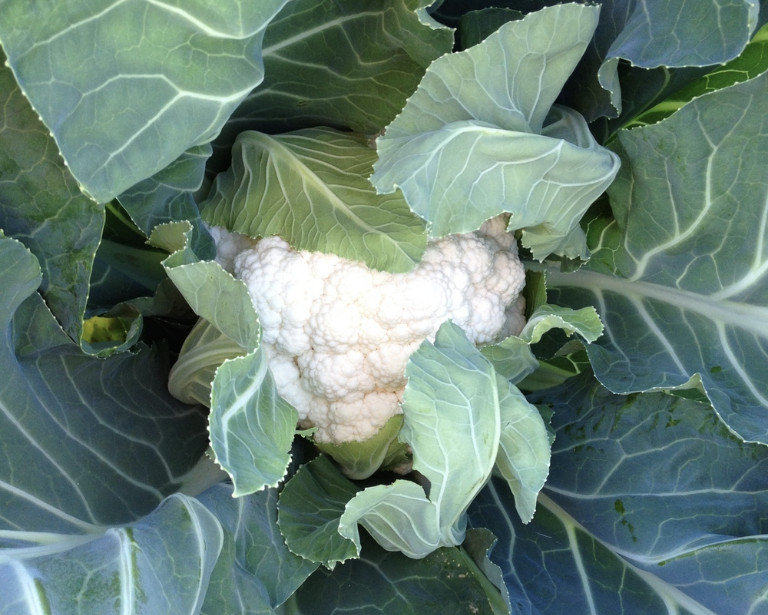
This is the final week #25 of our CSA program! We hope you've enjoyed this season's harvests as much as we've enjoyed growing for you. You'll be hearing from us next week with our traditional end-of-season letter from your farmer. This week's share brings you the cauliflower we've been patiently waiting for, along with baby greens (arugula, specifically) that Farmer Matt planted to make up for the corn back in August. And some single items, like leeks and sweet potatoes, which we harvested from the fields so that nothing goes to waste!
THIS WEEK IN THE SHARES...
Cauliflower - The beloved fall veg has made it into this last box of the season! It was growing so slowly we really weren't sure. Happy to share it with all of you this week!
Storage: In airtight storage in the refrigerator. Uses: Raw/Cooked When to use: Within 5 days.
Radicchio - I love the bitter flavor in salads, but if you don't, that flavor disappears when cooked.
Storage: In airtight storage in the refrigerator. Uses: Raw/Cooked When to use: Within 5 days.
Yellow Potatoes - A nice flavorful, waxy variety.
Storage: In a cool (NOT cold), dark spot. Uses: Cooked When to use: Within 5 days.
Carrots - Our sweet fall carrots are finally big enough to harvest! Their seeding was delayed back in August due to the rain, so we've had to be patient!
Storage: In airtight storage in the refrigerator. Uses: Raw/Cooked When to use: Within 5 days.
Arugula - Tender, baby leaves. Farmer Matt seeded this planting specifically for those members who needed a replacement for wormy corn back in August.
Storage: In airtight storage in the refrigerator. Uses: Raw When to use: Within 5 days.
Super Baby Red Kale - The leaves are so small and tender that the bags are small...enough for a small salad or to mix in with other greens.
Storage: In airtight storage in the refrigerator. Uses: Raw When to use: Within 5 days.
Celery Root/Celeriac - This root needs to be peeled, but it has the wonderful, rich flavor of celery in a large bulb. Great for mashing along with potatoes (the white ones from last week would be perfect!) or added to soups or stews or roasted in chunks.
Storage: In airtight storage in the refrigerator. Uses: Cooked When to use: Within 10 days.
Sweet Potato - We cleaned out the fields and had enough for one for each member in this last box of the season!
Storage: In a cool, not cold, spot. Uses: Cooked When to use: Within 5 days.
Leek - We cleaned out the fields and had enough for one for each member in this last box of the season!
Storage: In airtight storage in the refrigerator. Uses: Cooked When to use: Within 5 days.
BRIERMERE FARM FRUIT SHARE: Jonagold & Granny Smith Apples
RECIPES
Roasted Balsamic Radicchio
Celery Root and Potato Mash
Oven Roasted Root Vegetable Medley
CSA 2018 - Week #24

This is an old photo I took of Farmer Matt and a pair of rutabagas 16 years ago...it's one of my favorites. This guy is the reason we all eat so well....a classical musician and chef by training, a farmer by passion, his dream and drive has created this beautiful farm from nothing. He's so modest, but I think he's a pretty cool human. Thanks farmer Matt for your love and devotion to the mastery of your craft!
We're nearing the end of the growing season here on the North Fork...next week is our final week of deliveries! We're sad it's all ending, but we're looking forward to a much-needed break before we get gearing up for next season. Farmers stay pretty busy year-round, even when we're not in the active growing season. January kicks off with seed orders, budgeting, equipment maintenance and farm planning. We will be in touch in December with more information about our 2019 CSA share offerings and a timeline for registration. Stay tuned!
THIS WEEK IN THE SHARES...
Rutabaga - This is my mother's favorite vegetable. Peel it, boil it, mash it. Add butter and salt and it makes a super delicious, earthy side dish for your fall and winter meals.
Storage: In airtight storage in the refrigerator. Uses: Cooked When to use: Within 10 days.
Broccoli - We are so relieved that the broccoli is ready to harvest this week! It's been growing soooo slowly!
Storage: In airtight storage in the refrigerator. Uses: Raw/Cooked When to use: Within 5 days.
Bok Choi - If you find any discoloration on the white stem, you can ignore it, it's just cosmetic and fine to eat!
Storage: In airtight storage in the refrigerator. Uses: Raw/Cooked When to use: Within 5 days.
White Potatoes - These white potatoes are perfect for mashed potatoes - light and flavorful! Keep out of light!
Storage: In a cool (NOT cold), dark spot. Uses: Cooked When to use: Within 5 days.
Carrots - Our sweet fall carrots are finally big enough to harvest! Their seeding was delayed back in August due to the rain, so we've had to be patient!
Storage: In airtight storage in the refrigerator. Uses: Raw/Cooked When to use: Within 5 days.
Radicchio - A wonderful bitter green (red)! Slice into thin ribbon and pair with a hard, sharp cheese, balsamic vinegar, olive oil and salt & pepper for a stellar salad.
Storage: In airtight storage in the refrigerator. Uses: Raw/Cooked When to use: Within 5 days.
White Salad Turnips - Don't forget that the greens are the best part! Cook like spinach!
Storage: In airtight storage in the refrigerator. Separate the roots from the greens before storing. Uses: Raw/Cooked When to use: Within 5 days.
BRIERMERE FARM FRUIT SHARE: Jonagold Apples
RECIPES
Roasted Rutabaga with Brown Butter
Radicchio with Manchego Vinaigrette
Stir-Fried Bok Choi with Ginger and Garlic
CSA 2018 - Week #23

We welcome November this week and the final three weeks of our CSA program. Please note that week #25 will be our final week of deliveries. For most of you, that will be the week BEFORE Thanksgiving. The plantings that we had expected to harvest this week are delayed and not yet ready...so you can expect that we'll have a packed box for the last two deliveries. Beets, rutabaga, cauliflower and broccoli are all out in the field and nearly ready to harvest. Fingers crossed for sunshine and mild temperatures over the next week so that everything can keep growing! For those of you who wish to join us again next season, please note that we expect to begin taking renewal applications in December. We'll send out an e-mail with all the details once they're finalized.
THIS WEEK IN THE SHARES...
Sweet Potatoes - THIS WEEK IT'S A MIX OF WHITE AND ORANGE VARIETIES! Freshly dug and more to come! Remember that sweet potatoes cannot be stored in the refrigerator. They need to stay above 50 degrees or they will get cold damage. It's best to keep them on the counter or in a cool (not cold) spot.
Storage: In a cool (NOT cold) spot. Do not refrigerate. Uses: Cooked When to use: Within 3 days.
Watermelon Radish - A surprise awaits you when you slice into these radishes. They are delicious sliced raw, as a slaw, or roasted in the oven. If you peel them lightly and leave a bit of the green flesh, they really do resemble slices of watermelon!
Storage: In airtight storage in the refrigerator. Separate roots from the greens. Uses: Raw/Cooked When to use: Within 3 days.
Leeks - Try braising the leeks...they turn buttery and sweet. Perfect side dish!
Storage: In airtight storage in the refrigerator. Uses: Cooked When to use: Within 5 days.
Carrots - Our sweet fall carrots are finally big enough to harvest! Their seeding was delayed back in August due to the rain, so we've had to be patient!
Storage: In airtight storage in the refrigerator. Uses: Raw/Cooked When to use: Within 5 days.
Cabbage
Storage: In airtight storage in the refrigerator. Uses: Raw/Cooked When to use: Within 5 days.
Scallions
Storage: In airtight storage in the refrigerator. Uses: Raw/Cooked When to use: Within 5 days.
BRIERMERE FARM FRUIT SHARE: Fuji and Jonagold Apples
RECIPES
Simple Braised Leeks
Roasted Watermelon Radishes with Herbed Tahini Sauce
Roasted Cabbage with Warm Walnut Rosemary Dressing
CSA 2018 - Week #22

We have harvested a pile of sweet potatoes for you this week! Sweet potatoes are not just delicious and fabulously healthy, but they are also super versatile. You can use them in recipes for main courses, side dishes and even dessert. This week's recipe for sweet potato pie is a favorite. A note about the fall kale....we had a lot of issues with disease this fall that has wiped out most of our plantings. So instead of kale, you'll be seeing collards and other fall greens in its place. This week we're also happy to bring back one of our favorite chicories...the sugarloaf chicory!
THIS WEEK IN THE SHARES...
Sweet Potatoes - Freshly dug and more to come! Remember that sweet potatoes cannot be stored in the refrigerator. They need to stay above 50 degrees or they will get cold damage. It's best to keep them on the counter or in a cool (not cold) spot.
Storage: In a cool (NOT cold) spot. Do not refrigerate. Uses: Cooked When to use: Within 3 days.
Collards - Collards are very similar to kale and can be used interchangeably in recipes as long as you give it a little more time to cook. I love to stew collards until tender, which takes a while! Patience is key.
Storage: In airtight storage in the refrigerator. Uses: Cooked When to use: Within 3 days.
Sugarloaf Chicory - A conical shaped head, this chicory is wonderful paired with sharp cheese, olive oil, lemon juice and garlic in a salad. Also great with pears and apples to balance out the slightly bitter flavor. Chicory greens are some of the healthiest foods in the world!
Storage: In airtight storage in the refrigerator. Uses: Raw/Cooked When to use: Within 5 days.
Japanese Salad Turnips - These are wonderful when roasted together with the radishes.
Storage: In airtight storage in the refrigerator. Separate the roots from the greens. Uses: Raw/Cooked When to use: Within 5 days.
Red Radishes - Try roasting these! They're delicious (and beautiful) when roasted in the oven. Storage: In airtight storage in the refrigerator. Separate the roots from the greens. Uses: Raw/Cooked When to use: Within 3 days.
Parsley - Adds bright flavor to dishes. Also freezes very well!
Storage: In airtight storage in the refrigerator. Uses: Raw/Cooked When to use: Within 5 days.
Red Potatoes - These are a waxy, red-fleshed variety. Excellent for roasted potatoes.
Storage: In a cool (NOT cold), dark place. Uses: Cooked When to use: Within 10 days.
BRIERMERE FARM FRUIT SHARE: Red Delicious & Winesap Apples
RECIPES
Roasted Parsley Potatoes
Collard Potato Salad with Mustard Dressing
Sweet Potato Pie
CSA 2018 - Week #21

A huge thank you to everyone who came out to the farm on Sunday to help us celebrate our CSA community! It was a beautiful day and we loved meeting you. Please note that there are five more weeks to go this CSA season. The final pick-up will take place the week BEFORE Thanksgiving. Keep your eye out for a separate e-mail coming from us this week with more information about the Winter CSA share.
THIS WEEK IN THE SHARES...
Sweet Potatoes - Freshly dug and more to come! Remember that sweet potatoes cannot be stored in the refrigerator. They need to stay above 50 degrees or they will get cold damage. It's best to keep them on the counter or in a cool (not cold) spot.
Storage: In a cool (NOT cold) spot. Do not refrigerate. Uses: Cooked When to use: Within 3 days.
Mustard Mix - The first fall harvest of this new member favorite! It's perfect for salads at this size.
Storage: In airtight storage in the refrigerator. Uses: Raw When to use: Within 3 days.
Red Radishes - Try roasting these! They're delicious (and beautiful) when roasted in the oven.
Storage: In airtight storage in the refrigerator. Separate the roots from the greens. Uses: Raw/Cooked When to use: Within 3 days.
Scallions - Wonderful in stir-fries, salads and roasted dishes.
Storage: In airtight storage in the refrigerator. Uses: Raw/Cooked When to use: Within 3 days.
Escarole - A chicory that is just the slightest bit bitter when you eat it raw. That bitterness disappears when cooked. You must make the escarole and white bean soup recipe below! It's the best way to use escarole this time of year. The inside leaves are the most tender, so save a few of those to eat raw in a salad with a sharp cheese and dressed with olive oil and lemon juice. Yum!
Storage: In airtight storage in the refrigerator. Uses: Raw/Cooked When to use: Within 5 days.
Cabbage - So versatile, and it lasts a long time in your fridge! The recipe for sautéed cabbage below is super simple and delicious. A perfect fall side dish.
Storage: In airtight storage in the refrigerator. Uses: Raw When to use: Within 3 days.
BRIERMERE FARM FRUIT SHARE: Jonagold & Mutsu Apples
RECIPES
Garlicky Lime Chicken with Scallions (good to substitute with tofu too!)
17 Fabulous Sweet Potato Recipes
Ina Garten's Sauteed Cabbage
Classic Escarole and White Bean Soup